Visual Language
Visual navigator

Begin typing to search this documentation.

Tahto · Scene concept

Linked Canopy

Linked Canopy is a Tahto world concept built as a locked day-and-night mosaic place.

← Back to artwork catalogue
World
Tahto
Type
Day / night environment
Position
04 / 08

Tahto concept art

Linked Canopy

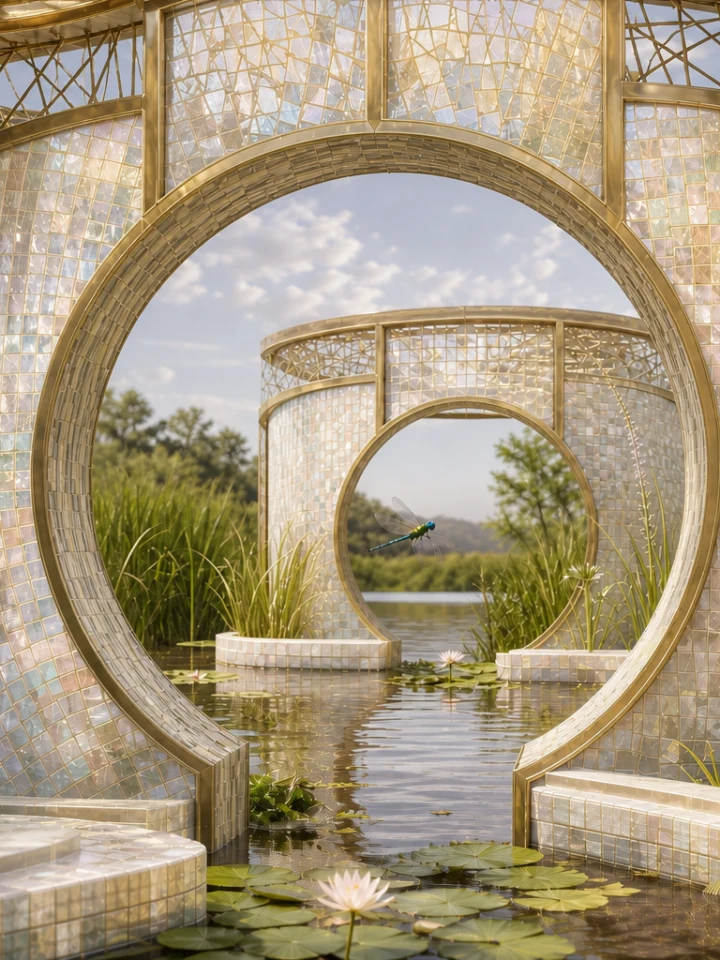
Linked Canopy by day: flying naturally through the aligned openings between habitats
Dayflying naturally through the aligned openings between habitats
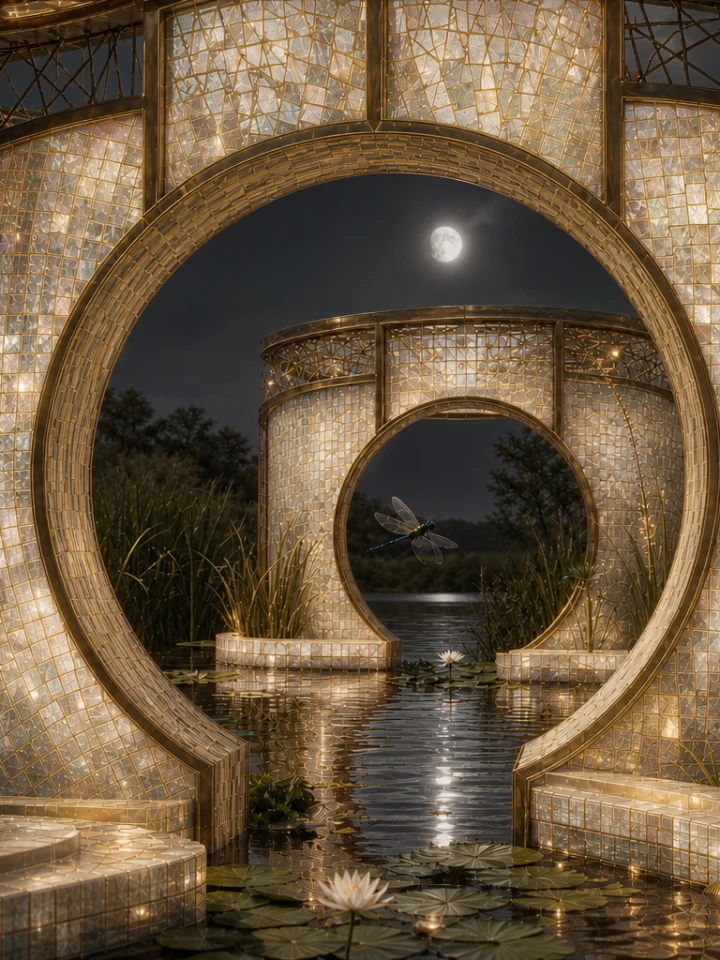
Linked Canopy by night: roosting at a protected lattice joint above the central habitat
Nightroosting at a protected lattice joint above the central habitat
Locked between states
  • Place: an elevated canopy of reed-and-silver lattice frames connecting several distinct wetland habitats
  • Camera: layered architectural view through several connected frames
  • Affordance: aligned openings make an exact aerial route and the structural joints provide wind-sheltered roosts
  • Responsive focus remains center
Allowed to change
  • Directional daylight becomes physically located moonlight and practical light
  • Reflections, weather, peripheral activity, and natural behaviour may change

Concept specification

Place
an elevated canopy of reed-and-silver lattice frames connecting several distinct wetland habitats
Affordance
aligned openings make an exact aerial route and the structural joints provide wind-sheltered roosts
Camera
layered architectural view through several connected frames
Living subject
a photorealistic anatomically natural adult male emperor dragonfly at true scale, with untiled biological eyes, transparent wings and naturally dark chitin
Day behaviour
flying naturally through the aligned openings between habitats
Night behaviour
roosting at a protected lattice joint above the central habitat
Palette
iridescent opal, warm alabaster, champagne gold, pale mother-of-pearl and restrained honey
Materials
opal glass tesserae, carved alabaster, mother-of-pearl, champagne-gold smalti, clear water and living reeds
Why this concept exists

Place drives behaviour.

aligned openings make an exact aerial route and the structural joints provide wind-sheltered roosts. The day and night states therefore express two credible uses of one environment rather than two unrelated illustrations.

  • The accepted day master establishes geometry, scale, crop, and material logic.
  • The night master edits that accepted composition instead of rebuilding the scene.
  • The subject remains anatomically natural and behaves because of the place.
  • The project identity appears through material, palette, and sparse architecture—not logo wallpaper.